Japanese Fine Dining Singapore – A Refined Dining Experience
When people think of Japanese fine dining in Singapore, they may picture beautifully presented dishes, seasonal ingredients and an elegant dining room. But Japanese fine dining is about more than appearance. It is a dining philosophy built around precision, seasonality, craftsmanship and respect for ingredients.
Singapore offers a diverse Japanese dining scene, from casual izakayas and sushi counters to sophisticated omakase restaurants. Among these experiences, premium Japanese dining stands out for the way it brings together food, technique and hospitality into a carefully considered meal.

For diners who want to explore Japanese cuisine beyond sushi and sashimi, yakitori omakase offers a different perspective. At Torikami Singapore, traditional Japanese grilling techniques are combined with Binchotan charcoal, seasonal ingredients and an intimate counter setting to create a refined interpretation of Japanese grilled cuisine.
So, what exactly makes a Japanese dining experience feel “fine dining”? And what should you look for when choosing a Japanese fine dining restaurant in Singapore?
1. What Defines Japanese Fine Dining?
Fine dining is not defined by a single ingredient or presentation style. Instead, it is the combination of details that creates a complete dining experience.

Attention to Detail
Japanese cuisine is well known for its attention to detail.
From how an ingredient is selected and prepared to the temperature at which it is served, seemingly small decisions can influence the final dish. This precision becomes particularly important when a restaurant works with a limited number of ingredients.
Yakitori is a good example.
A skewer may contain only a few ingredients, but the chef must consider the cut, size, skewering technique, heat and cooking time. Because there are no elaborate sauces or heavy garnishes to hide the ingredient, the technique behind the grill becomes part of the experience.
Respect for Ingredients
Japanese culinary culture places strong emphasis on allowing ingredients to express their natural characteristics.
Rather than relying on excessive seasoning, chefs often work to enhance the inherent flavour, texture and aroma of each ingredient.
This philosophy is particularly relevant to premium Japanese dining. The objective is not necessarily to make a dish more complicated, but to make every element intentional.
A carefully grilled skewer, for example, can demonstrate this principle through the contrast between its lightly charred exterior and tender interior, with seasoning used to complement rather than dominate the ingredient.
Balance and Harmony
Balance is another important element of Japanese cuisine.
Flavour, texture, temperature, aroma and presentation all contribute to how a dish is experienced.
In an omakase setting, this balance extends across the entire meal. Instead of considering every course individually, the chef can create a progression where lighter and richer flavours, different textures and different cooking techniques complement one another.
This sense of progression is one of the reasons omakase is such an appealing format for a Japanese fine dining experience.
The Dining Environment
Fine dining is also about the atmosphere surrounding the food.
A quiet counter, attentive service and the opportunity to watch a chef prepare each course can create a sense of connection that is difficult to replicate in a conventional restaurant setting.
At Torikami, the counter is central to the concept. The restaurant's interior draws inspiration from the visual simplicity of a traditional Noh stage, placing the chef and grill at the centre of the dining experience.
The result is an intimate setting where guests can observe the preparation process while enjoying their meal.
2. The Role of Seasonal Ingredients in Japanese Cuisine
Seasonality is one of the defining characteristics of Japanese cuisine. The Japanese concept of shun refers to enjoying ingredients when they are at their seasonal peak. Instead of treating a menu as something fixed throughout the year, Japanese chefs can adapt dishes according to what is available and appropriate for the season.

Why Seasonality Matters
Seasonal ingredients can bring different flavours, textures and aromas to a dining experience.
For a chef, working with seasonal produce also creates opportunities to change the balance of a menu and introduce ingredients that diners may not encounter at other times of the year.
This is particularly relevant to omakase.
Rather than asking guests to choose every course in advance, an omakase allows the chef to make decisions based on the ingredients available and the intended progression of the meal.
The result can feel more personal and dynamic.
Seasonality in Yakitori Omakase
While yakitori is strongly associated with chicken, a refined yakitori experience does not have to be limited to one flavour profile.
Different cuts naturally provide different textures and levels of richness. Seasonal vegetables and other accompanying ingredients can further expand the range of flavours throughout the meal.
The chef's role is to understand these differences and determine how each ingredient should be prepared and grilled.
This is where premium Japanese dining becomes more than simply ordering expensive ingredients. It is about understanding when an ingredient should be served, how it should be prepared and how it fits into the overall dining progression.
3. Chef Craftsmanship Behind a Premium Japanese Dining Experience
One of the clearest differences between casual Japanese dining and a more refined experience is the level of craftsmanship involved.

Traditional Techniques, Precise Execution
Japanese cuisine has developed a wide range of specialised preparation techniques.
For yakitori, grilling itself becomes a form of craftsmanship.
The chef must manage the charcoal, adjust the distance between the skewer and the heat, turn the ingredients at the right moment and recognise when the skewer has reached its ideal texture.
These decisions happen within a relatively short period of time.
A few seconds can make a difference to the final texture, which is why experience and observation are essential.
The Role of Binchotan Charcoal
Charcoal is an important part of the identity of traditional yakitori.
Torikami uses Binchotan charcoal, known for producing intense and consistent heat. This allows the chef to carefully grill each skewer while developing the characteristic aroma and lightly charred exterior associated with charcoal-grilled yakitori.
The charcoal itself is not the only factor, however.
Its value comes from how the chef works with it.
Heat management, timing and positioning all influence the final result. This relationship between chef and grill is what makes yakitori such a technique-driven cuisine.
Yakitori as Culinary Craftsmanship
Yakitori can sometimes be perceived as casual Japanese street food or an izakaya staple.
Yet the simplicity of the dish is precisely what makes craftsmanship so important.
When there are only a few elements on a skewer, there is little room to hide mistakes.
The cut must be prepared correctly. The skewer must be assembled properly. The heat must be controlled. The seasoning must be balanced.
In a chef-led setting, guests are able to appreciate these details as part of the meal rather than simply receiving the finished dish.
Omakase and the Chef's Role
The word omakase is commonly translated as “entrust”.
In practical terms, guests allow the chef to determine the sequence of the meal.
For a Japanese fine dining experience, this creates an opportunity for the chef to demonstrate knowledge and creativity while maintaining a coherent progression.
Rather than asking guests to decide which dishes should come next, the chef can consider the balance of flavours, textures and richness throughout the evening.
This is one of the defining characteristics of a refined omakase experience.
4. The Art of Japanese Omakase Dining
Omakase is not simply a more expensive way of ordering Japanese food. It is a different approach to dining.

A Chef-Led Culinary Journey
In a traditional à la carte restaurant, the guest controls the order.
In an omakase restaurant, the chef takes a more active role in shaping the meal.
This creates an element of discovery. Guests may encounter different cuts, seasonal ingredients or preparations that they would not necessarily select themselves.
For diners who enjoy exploring Japanese cuisine, this can make the experience particularly memorable.
The Counter Experience
Counter dining also changes the relationship between chef and guest.
Instead of watching a kitchen from a distance, diners can observe the preparation directly. The sound of the charcoal, the movement of the chef and the aroma from the grill become part of the atmosphere.
At Torikami, the counter is designed to make this interaction central to the experience.
The restaurant's minimalist setting keeps attention focused on the chef, the grill and the food, creating an intimate format suited to a more personal Japanese dining experience.
Japanese Sake Pairing
Japanese food and sake have a natural relationship.
The savoury umami of grilled dishes can pair well with different styles of sake, while the range of aromas and textures can provide opportunities to create contrasts throughout the meal.
For an omakase dinner, pairing drinks with the progression of the menu can add another dimension to the experience.
At a premium Japanese restaurant, the objective is not simply to serve food and drinks together, but to consider how they interact.
5. Perfect Occasions for Japanese Fine Dining in Singapore
A refined Japanese dining experience can work for many occasions, particularly when the meal itself is intended to be part of the celebration.

Date Nights
An intimate counter restaurant can provide a quieter alternative to larger dining venues.
Watching the chef prepare each course also gives couples something to experience together, making the dinner feel more interactive rather than simply being a meal.
Anniversaries and Special Celebrations
For birthdays, anniversaries or other milestones, an omakase experience can offer a sense of occasion without relying on an overly formal atmosphere.
The progression of the meal, personalised service and chef interaction can make the evening feel distinct from an everyday dinner.
Business Dining
Japanese fine dining can also be suitable for business dinners and client meetings.
A counter setting provides an opportunity for conversation while the chef-led experience gives guests a shared focus throughout the meal.
For business occasions, choosing a restaurant that combines attentive hospitality with a refined but comfortable atmosphere can help create a more relaxed dining environment.
Dining with Japanese Food Enthusiasts
For guests who already appreciate Japanese cuisine, an omakase experience can offer a deeper exploration of familiar ingredients.
Instead of simply ordering favourite dishes, diners can discover how the chef interprets different cuts, seasonal ingredients and grilling techniques.
This makes Japanese fine dining particularly appealing to those interested in the craft behind the cuisine.
6. Experience Japanese Fine Dining at Torikami Singapore
For diners searching for Japanese fine dining Singapore experiences that go beyond conventional sushi and sashimi, Torikami offers a different interpretation of Japanese culinary craftsmanship.
Located on Duxton Road, Torikami specialises in yakitori omakase, combining traditional Japanese grilling techniques with an intimate counter dining environment.
The restaurant places particular emphasis on Binchotan charcoal and chef-led preparation. Instead of treating yakitori simply as a collection of grilled skewers, Torikami presents it as a carefully considered omakase experience.
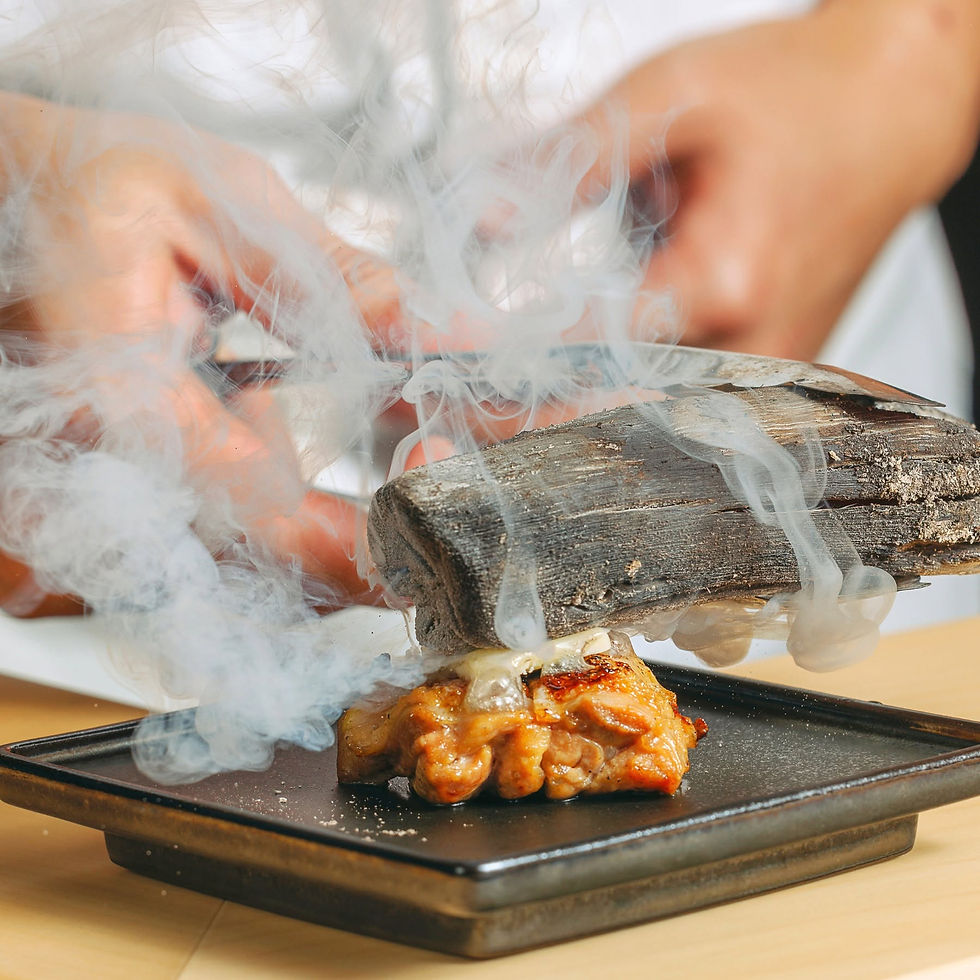
Guests can watch the chef work directly at the counter, from preparing the ingredients to managing the charcoal and grilling each skewer.
This interaction is an important part of the experience.
The minimalist counter environment allows diners to focus on the food and the craftsmanship behind it, while the omakase format creates a progression of flavours and textures throughout the meal. For those looking for premium Japanese dining in Singapore, this approach offers an opportunity to experience a different side of Japanese cuisine.
It demonstrates that fine dining does not always have to mean elaborate plating or large dining rooms. Sometimes, refinement comes from simplicity, precision and the ability to make a small number of ingredients truly memorable.
Discover a Refined Side of Japanese Dining
The best Japanese fine dining experiences are often defined by details that may appear simple at first: carefully selected ingredients, seasonal awareness, precise technique, thoughtful hospitality and an environment that allows diners to appreciate the food.
From the use of Binchotan charcoal to the progression of an omakase menu, yakitori provides a particularly distinctive way to experience these principles.
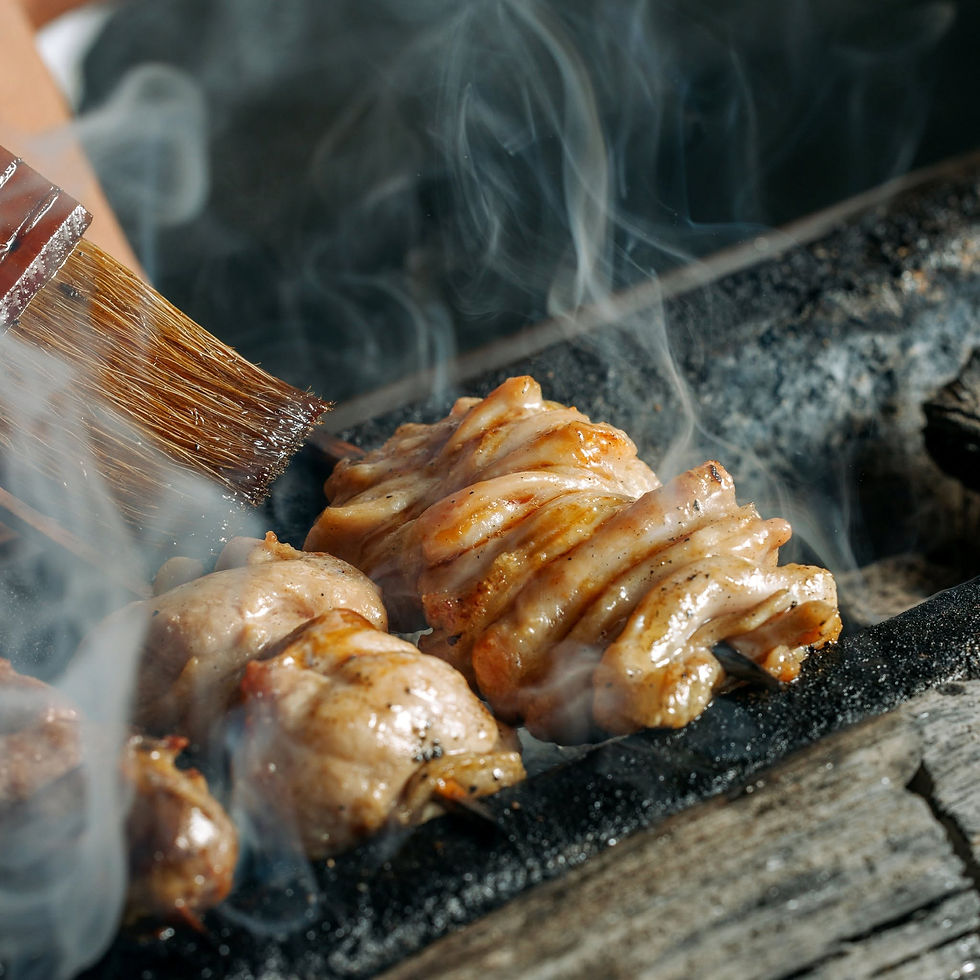
For diners searching for Japanese fine dining in Singapore, Torikami offers an intimate interpretation of the cuisine through yakitori omakase, chef craftsmanship and counter dining.
Located at 34/35 Duxton Road, Torikami invites guests to discover Japanese grilled cuisine through a more refined lens — one skewer, one technique and one moment at a time.
Contact for Reservations:
Address: 34/35 Duxton Road, Singapore
Phone: +65 9022 1423
Facebook: TORIKAMI SINGAPORE
Instagram: TORIKAMI SINGAPORE


Comments