Best Yakitori Singapore – Premium Japanese Grilled Dining
When searching for the best yakitori Singapore has to offer, it is easy to focus only on the appearance of the skewers or the smoky aroma coming from the grill. Yet great yakitori is about much more than grilled chicken on a stick.
At its best, yakitori brings together carefully selected ingredients, precise preparation, charcoal control and the intuition of a skilled chef. Every skewer has its own texture, cooking time and ideal level of seasoning. This attention to detail is what transforms a simple grilled dish into a refined Japanese dining experience.
Singapore has developed a diverse yakitori scene, ranging from casual izakayas to intimate counter restaurants and Japanese yakitori omakase experiences. For diners looking for something more considered than a quick plate of skewers, yakitori omakase offers an opportunity to experience Japanese grilling as a complete culinary progression.

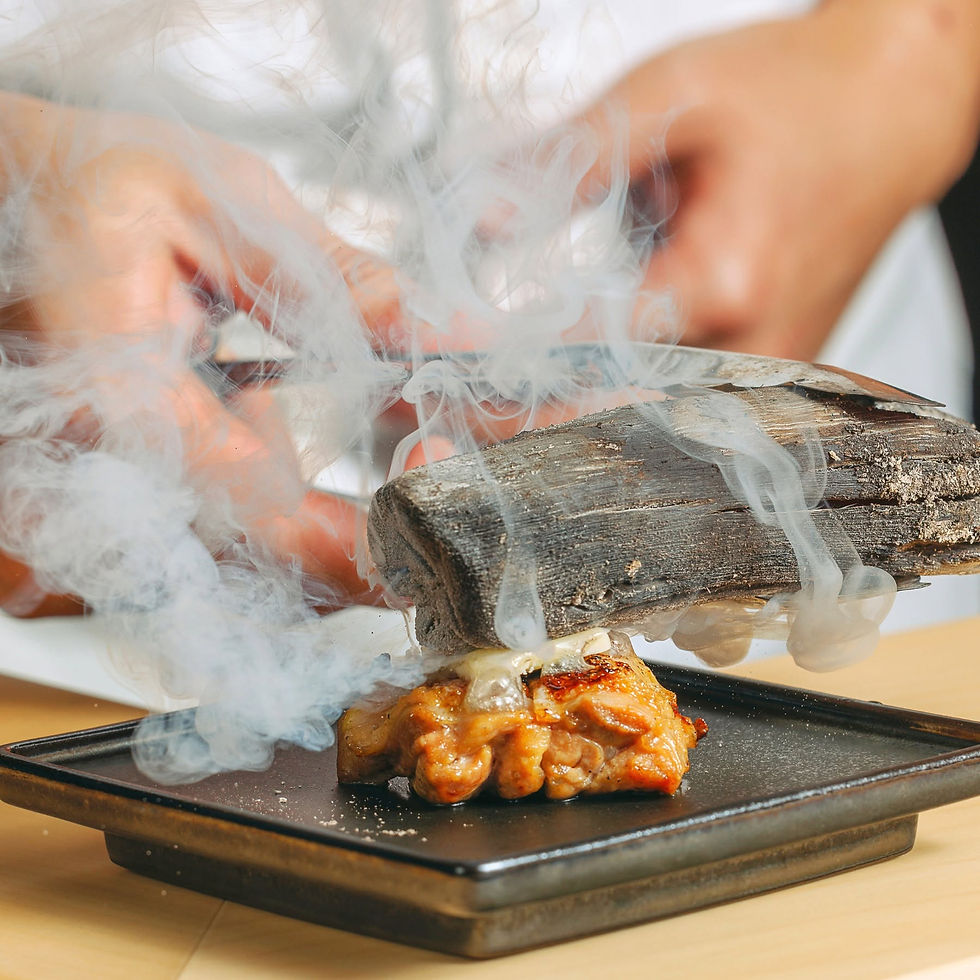
At Torikami Singapore, this philosophy is expressed through an intimate omakase setting where guests can watch the chef prepare and grill each course directly in front of them. The restaurant uses premium Binchotan charcoal to create high, consistent heat, helping develop a beautifully charred exterior while retaining the natural juiciness and umami of the ingredients.
1. What Makes Great Yakitori?
The difference between ordinary grilled skewers and exceptional yakitori often comes down to details that may not be immediately visible.

Ingredient Selection
Yakitori traditionally focuses on chicken, but one of the pleasures of the cuisine is discovering the different cuts and textures available from the same ingredient.
From tender meat to richer cuts and more delicate textures, each part responds differently to heat. A good yakitori chef understands these differences and adjusts preparation and grilling accordingly.
This is why Japanese yakitori omakase can feel very different from ordering a standard assortment of skewers. Rather than treating every skewer in the same way, the chef can create a progression that introduces different flavours, textures and preparations throughout the meal.
The Importance of Charcoal
Charcoal is at the heart of yakitori.
Traditional Japanese grilling relies on high, controlled heat to create the characteristic seared surface and subtle smoky aroma associated with yakitori. The distance between the skewer and the charcoal, the intensity of the heat and the timing of each turn can all affect the final result.
Torikami uses premium Binchotan charcoal, valued for its ability to provide high and consistent heat. This allows the chef to develop a savoury, lightly charred surface while preserving moisture within the meat.
The result is not simply “grilled chicken”. It is a balance between heat, texture, aroma and natural umami.
Precision Behind Every Skewer
Yakitori may look simple, but the grilling process requires considerable attention.
Different cuts require different levels of heat and cooking time. The chef must also monitor the surface of the meat, manage the charcoal and determine when a skewer is ready to leave the grill.
This is one reason counter-style yakitori dining is so engaging. Guests are able to observe the process rather than simply receiving a finished plate.
At Torikami, the counter is designed as a central part of the dining experience. Inspired by the visual concept of a traditional Noh stage, the white-wood counter becomes a setting where guests can watch the chef's grilling performance unfold.
Seasoning That Complements the Ingredient
Yakitori is often associated with two classic approaches: shio, or salt, and tare, a Japanese-style sauce.
The purpose of seasoning is not necessarily to overpower the ingredient. Instead, it should complement the natural flavour created by the grilling process.
A well-executed skewer can therefore be surprisingly nuanced. The char from the grill, the seasoning, the aroma of the charcoal and the texture of the chicken all contribute to the final bite.
For diners exploring yakitori for the first time, an omakase format can be particularly useful because the chef determines the progression and allows guests to experience different styles without having to choose every skewer individually.
2. Difference Between Yakitori & Kushiyaki
One common question among diners exploring Japanese grilled cuisine is: What is the difference between yakitori and kushiyaki? The terms are related, but they are not interchangeable.

What Is Yakitori?
The word yakitori can broadly be understood as grilled chicken on skewers.
In traditional Japanese cuisine, yakitori is specifically associated with chicken and encompasses a wide range of cuts. This includes familiar options as well as less commonly encountered parts, allowing diners to experience different textures and flavours from the same bird.
The appeal of yakitori lies partly in this variety. One skewer may be tender and juicy, while another can offer a richer or more textured bite. This diversity is also what makes yakitori particularly suited to an omakase format.
What Is Kushiyaki?
Kushiyaki is a broader term referring to ingredients grilled on skewers. While yakitori focuses specifically on chicken, kushiyaki can include other meats, seafood and vegetables. In other words:
Yakitori: a specific style of Japanese grilled chicken skewers
Kushiyaki: a broader category of grilled foods served on skewers
The distinction is useful when searching for Japanese grilled dining in Singapore. A restaurant described as a yakitori specialist is generally placing chicken and the art of grilling at the centre of its concept, while a kushiyaki restaurant may offer a wider range of ingredients.

Why Yakitori Is More Than “Chicken on a Stick”
For someone unfamiliar with Japanese yakitori, the dish can initially appear simple.
However, the simplicity is part of its appeal.
There are relatively few elements on each skewer, meaning that technique becomes especially important. Ingredient quality, cutting, skewering, charcoal, temperature, seasoning and timing all have a visible impact on the final result. This is also why dedicated yakitori counters can offer a very different experience from casual grilled-food restaurants.
In Singapore, the growing interest in specialist yakitori restaurants reflects a broader appreciation for Japanese grilling, from casual izakaya dining to more refined omakase experiences. Current Singapore dining guides similarly highlight the city's range of yakitori formats, including charcoal-grilled restaurants and dedicated counter-style experiences.

3. Fine Dining Experience
A Japanese yakitori omakase experience changes the way diners approach the meal.
Instead of choosing several dishes from a large menu, guests entrust the progression of the meal to the chef. The experience becomes less about ordering individual items and more about discovering how each course contributes to the overall journey.

From Individual Skewers to a Complete Experience
Omakase means entrusting the selection to the chef.
In yakitori dining, this allows the chef to consider the sequence of skewers, textures and flavours throughout the meal.
The progression can move between different chicken cuts and preparations, creating contrasts rather than presenting every skewer in isolation.
For guests, this makes the meal more exploratory. You may arrive knowing that you enjoy grilled chicken, but leave with a greater appreciation for the variety and precision involved in Japanese yakitori.
Counter Dining: Watch the Chef at Work
One of the defining elements of premium yakitori dining is the counter.
Rather than separating the kitchen from the dining room, the counter places the grilling process within the guest's field of view. The sound of the grill, the movement of the chef and the aroma from the charcoal become part of the experience.
Torikami was designed around this idea. Its counter draws inspiration from a Noh stage, creating a minimalist setting where the chef's preparation becomes part of the evening's visual experience.
This creates a more personal connection between chef and guest and reflects the philosophy behind Torikami's omakase approach: yakitori is not simply about the finished skewer, but also about the technique and interaction behind it.
Pairing Yakitori with Japanese Drinks
Yakitori also lends itself naturally to Japanese beverage pairing.
The savoury character of grilled chicken, the aroma of charcoal and the different levels of seasoning can complement beverages such as Japanese sake or other traditional drinks.
Rather than treating drinks as an addition to the meal, pairing can become another way to explore the contrast between different skewers and flavours.
For an evening centred around Japanese cuisine, this combination can turn a simple dinner into a more complete dining experience.
Why Choose Yakitori Omakase in Singapore?
For diners deciding between a casual yakitori restaurant and a premium yakitori omakase Singapore experience, the difference is primarily in the level of engagement.
A casual restaurant can be ideal for enjoying a few skewers with friends. An omakase counter, however, is better suited to diners who want to slow down, observe the chef and explore the cuisine in greater depth. It can be particularly appropriate for:
A refined Japanese dinner
A date night or special occasion
Business or client dining
Japanese food enthusiasts
Visitors looking for an intimate dining experience
Diners interested in traditional grilling techniques
The best yakitori experience is ultimately subjective. Some diners may prioritise a lively izakaya atmosphere, while others may prefer a quiet counter where every skewer receives individual attention.
For those seeking a more intimate and refined interpretation of Japanese grilled cuisine, Torikami Singapore offers a dedicated yakitori omakase experience in the heart of Duxton.

Experience Japanese Yakitori Omakase at Torikami Singapore
Located at 34/35 Duxton Road, Singapore 089498, Torikami brings together traditional Japanese grilling techniques and an intimate contemporary dining environment. The restaurant's owner was trained at a yakitori restaurant in Tokyo, while the concept places particular emphasis on Binchotan charcoal and chef-led preparation. Rather than positioning yakitori simply as a casual Japanese food, Torikami approaches it as a culinary craft.
Each skewer provides an opportunity to appreciate the relationship between ingredient, charcoal and technique. From the first aroma of the grill to the final bite, the experience is designed to encourage guests to pay attention to the details that make Japanese grilled cuisine distinctive.
For anyone searching for the best yakitori Singapore has to offer, the most important question may not simply be where to find the most popular skewers. It is what kind of experience you want from them.

If your preference is for a chef-led journey, an intimate counter setting and the focused craft of Japanese yakitori, a Japanese yakitori omakase at Torikami is an experience worth discovering.
Contact for Reservations:
Address: 34/35 Duxton Road, Singapore
Phone: +65 9022 1423
Facebook: TORIKAMI SINGAPORE
Instagram: TORIKAMI SINGAPORE


Comments