Best Omakase Singapore – How to Choose the Right Experience
Searching for the best omakase Singapore has become less about finding the most expensive restaurant and more about choosing an experience that matches your taste, occasion and expectations. From traditional sushi counters to contemporary Japanese fine dining, omakase restaurants in Singapore offer very different interpretations of the chef-led dining concept.
For diners who enjoy Japanese cuisine but want something beyond a conventional sushi experience, yakitori omakase offers an especially distinctive alternative. Instead of focusing primarily on raw seafood, the experience centres on carefully selected chicken cuts, charcoal grilling techniques, seasonal ingredients and a progression of dishes designed by the chef.
For those looking for an elevated yet intimate Japanese dining experience, Torikami brings the concept of yakitori omakase to Singapore through a menu built around Japanese grilling traditions, carefully selected ingredients and a course-by-course dining experience.

What Makes a Great Omakase?
Before deciding where to dine, it is useful to understand what actually makes an omakase experience memorable. Price and reputation can be helpful indicators, but the quality of the ingredients, cooking techniques, menu progression and interaction with the chef all contribute to the overall experience.

1. Ingredient Quality
Ingredients are at the heart of Japanese cuisine. A well-designed omakase should showcase ingredients that are carefully selected according to freshness, seasonality and the chef's menu concept.
For sushi omakase, this may mean seasonal seafood and premium cuts of fish. For yakitori omakase, attention shifts towards different chicken cuts, vegetables and other ingredients that respond well to charcoal grilling.
The best experiences allow each ingredient to retain its natural character while demonstrating why a particular preparation method has been chosen.
2. Cooking Technique
Omakase is also an opportunity to see the chef's technique in action. Rather than simply serving a collection of premium ingredients, the chef creates a progression of dishes where preparation, seasoning and cooking temperature all matter.
In yakitori, charcoal grilling is particularly important. The distance from the charcoal, grilling time and heat management can influence the texture, aroma and flavour of each skewer.
This attention to technique is one reason yakitori can be considered a form of Japanese fine dining rather than simply grilled chicken.
3. Menu Progression
A thoughtfully structured omakase should feel like a complete dining journey.
The dishes are generally served in a planned sequence, allowing lighter flavours to lead into richer and more substantial courses. This progression gives diners the opportunity to experience different textures, flavours and cooking techniques throughout the meal.
Rather than choosing every dish individually, guests can simply follow the chef's selection and discover what comes next.
4. The Dining Experience
Omakase is ultimately about more than food. The atmosphere, service and interaction between chef and diner can make a significant difference.
A counter-style setting, for example, allows diners to observe the preparation process and experience the meal more directly. This sense of connection between the kitchen and dining table is an important part of Japanese omakase culture.
Differences Between Sushi and Yakitori Omakase
When researching the top omakase Singapore experiences, one of the first decisions to make is whether sushi or yakitori better suits your preferences. Although both follow the chef-led omakase concept, the dining experiences can be quite different.

Sushi Omakase
Sushi omakase typically places seafood at the centre of the experience. Guests may enjoy a sequence of sashimi, nigiri, sushi rolls and other seasonal dishes.
The experience often highlights:
Seasonal seafood
Sashimi and sushi
Rice and seafood combinations
Knife skills and sushi-making techniques
Subtle seasoning and natural flavours
Sushi omakase can be ideal for diners who appreciate delicate flavours and want to explore different types of Japanese seafood.

Yakitori Omakase
Yakitori omakase takes a different approach. The chef builds the experience around charcoal-grilled ingredients, particularly different parts of chicken prepared and grilled individually.
Instead of simply serving one type of skewer, a yakitori course can introduce diners to different textures, cuts and preparations. Vegetables and other Japanese dishes may also be incorporated to create balance throughout the meal. The experience highlights:
Charcoal grilling
Different chicken cuts
Seasonal ingredients
Smoky and savoury flavours
Chef-controlled cooking
Izakaya-inspired Japanese dining
For diners who enjoy grilled food or want to explore a different side of Japanese cuisine, yakitori omakase can be an engaging alternative to traditional sushi omakase.

Fine Dining vs Casual Omakase
Not every omakase restaurant follows the same format. Singapore's Japanese dining scene ranges from highly formal Japanese fine dining establishments to more relaxed restaurants where the omakase concept is presented in a casual setting.
Understanding the difference can help you choose a restaurant that fits the occasion.
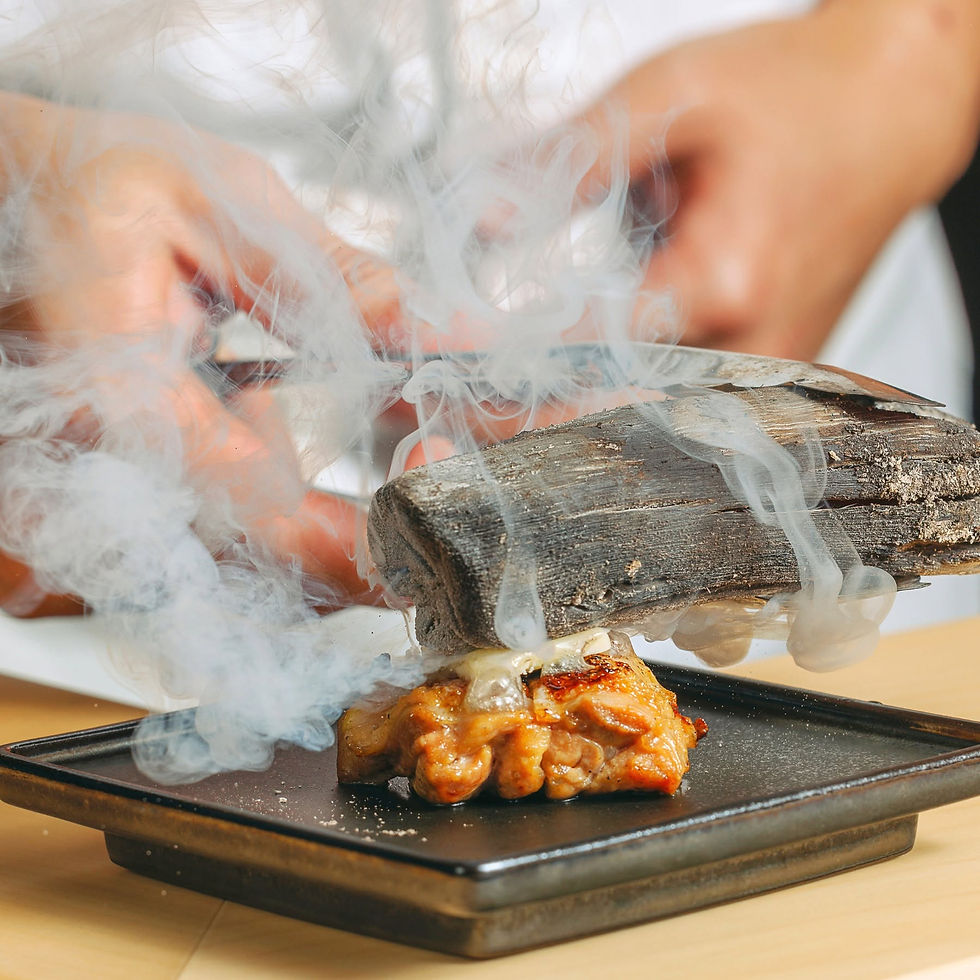
Japanese Fine Dining Omakase
Fine dining omakase typically places strong emphasis on presentation, service and the overall dining environment.
It may be more suitable for:
Special celebrations
Business dinners
Anniversaries
Date nights
Guests looking for a premium dining experience
The atmosphere is often quieter and more formal, allowing diners to focus on each course.
Casual Omakase
Casual omakase offers many of the same chef-led principles but in a more relaxed environment. It can be a better choice for diners who want to discover Japanese cuisine without the formality associated with traditional fine dining.
Yakitori is particularly well suited to this format. The combination of charcoal-grilled skewers, Japanese drinks and a lively atmosphere creates an experience that feels social while still allowing the chef's technique to take centre stage.
This makes yakitori omakase suitable not only for special occasions but also for dinners with friends, colleagues or couples looking for something different.
What to Look for Before Booking
Once you have narrowed down your choices, there are several factors worth considering before making a reservation. The best omakase Singapore experience is ultimately the one that fits your expectations rather than simply the restaurant with the highest price or most popular name.

Check the Omakase Concept
Start by understanding what the restaurant specialises in.
Is it primarily sushi, sashimi, tempura, kaiseki or yakitori? Knowing the restaurant's core concept helps ensure that the menu matches your preferences.
If you enjoy grilled dishes and want to explore Japanese charcoal cooking, a yakitori omakase restaurant may offer a more suitable experience than a traditional sushi counter.
Consider the Dining Atmosphere
Think about the type of occasion.
A quiet counter may be ideal for a date or intimate celebration, while a more relaxed Japanese restaurant may work better for a gathering with friends.
The atmosphere can significantly influence how you experience the meal, particularly when an omakase course takes place over an extended period.
Review the Price and Course Format
Before booking, check what is included in the omakase price and whether drinks or additional dishes are charged separately.
It is also worth checking the approximate duration of the experience, especially if you are planning to continue your evening elsewhere.
Check the Location
Convenience matters, particularly in Singapore's busy dining districts. A centrally located restaurant can make it easier to combine an omakase dinner with drinks, shopping or other activities before or after the meal.
For visitors and local diners alike, choosing a restaurant that fits naturally into the day's itinerary can make the overall experience more enjoyable.
Why Torikami Stands Out
For diners searching for an alternative to conventional sushi omakase, Torikami offers a distinctive interpretation of Japanese fine dining through yakitori.
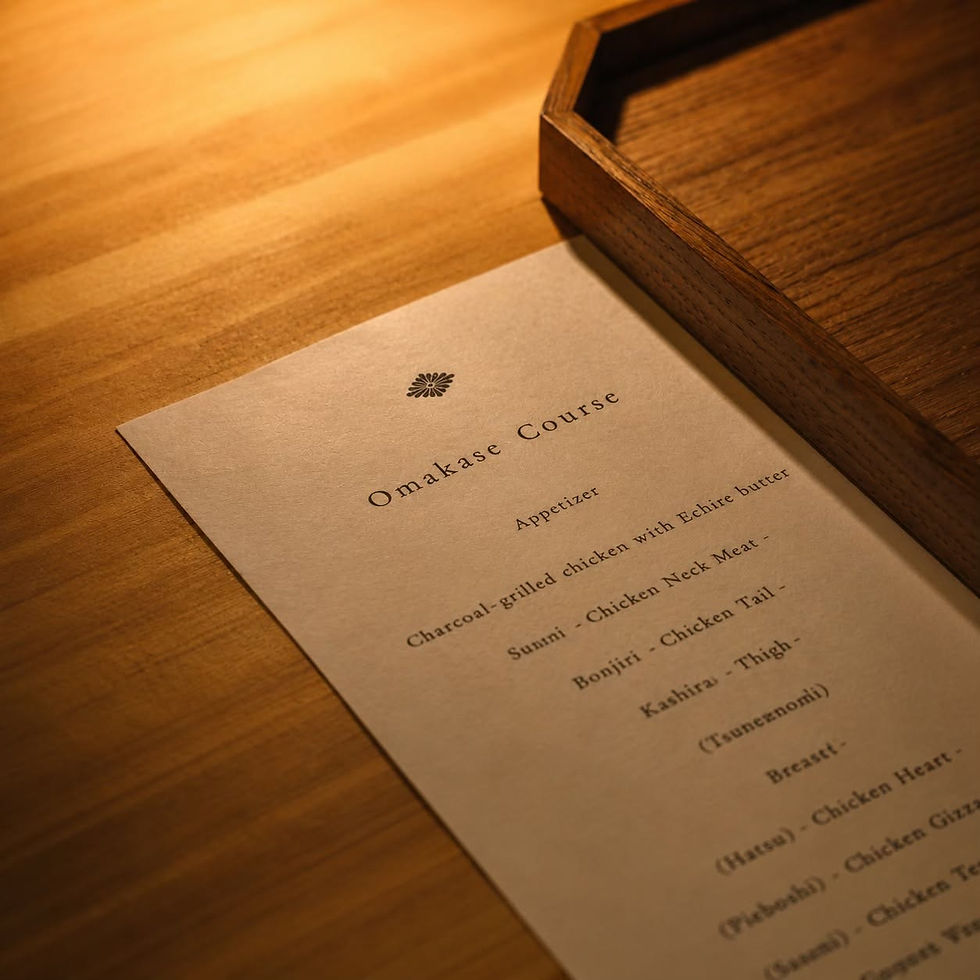
Located on Duxton Road, Torikami combines the traditional Japanese yakitori concept with an omakase-style dining experience. Instead of allowing diners to select every skewer individually, the chef guides the progression of the meal, creating an experience centred around charcoal grilling and carefully selected ingredients.
What makes the experience distinctive is the focus on yakitori itself. Different cuts can offer noticeably different textures and flavours, while charcoal grilling adds another layer of aroma and depth to the meal.
The experience is particularly suited to diners who are:
Exploring Japanese fine dining in Singapore
Looking for an alternative to sushi omakase
Interested in Japanese charcoal grilling
Planning an intimate dinner or date night
Looking for a more sophisticated yakitori experience
Wanting to discover a different side of Japanese cuisine
Rather than simply asking, "Which is the most expensive omakase?", consider what type of experience you actually want. If your ideal Japanese dinner involves charcoal aromas, carefully grilled skewers, chef-selected courses and an intimate dining atmosphere, yakitori omakase may be exactly what you are looking for.

Discover Yakitori Omakase at Torikami
Finding the best omakase Singapore experience ultimately comes down to choosing a concept that fits your taste, occasion and expectations. Sushi omakase remains an excellent choice for seafood lovers, while yakitori omakase offers a different perspective on Japanese cuisine through charcoal grilling and chef-led dining.
For those ready to explore Japanese fine dining beyond sushi, Torikami offers a dedicated yakitori omakase experience on Duxton Road. From the selection of ingredients to the progression of each course, the experience is designed to showcase the craft and character of Japanese yakitori.

If you are searching for top omakase Singapore experiences or want to discover Japanese fine dining from a different perspective, make Torikami part of your next Singapore dining itinerary.
Contact for Reservations:
Address: 34/35 Duxton Road, Singapore
Phone: +65 9022 1423
Facebook: TORIKAMI SINGAPORE
Instagram: TORIKAMI SINGAPORE

Comments